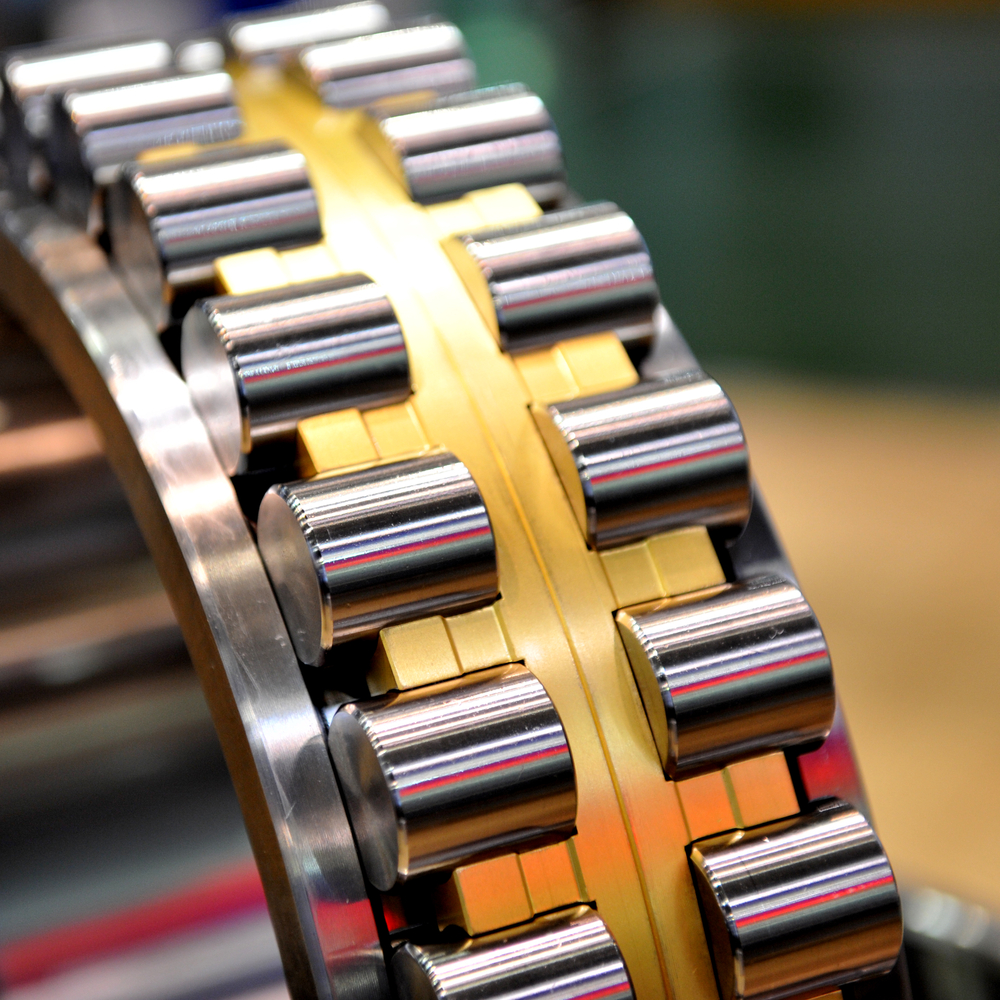
Different Types of Electric Motor Bearings and What They Are Used For
Because the design and uses of electric motors vary across many different industries, there are many different types of bearings used to support them. Here are just a few of them:
Basic Ball Bearings
Basic ball bearings are used for direct coupled applications. These are commonly seen in non-belted applications in electric motors that are under 150 HP. They can handle both radial and axial loads.
Standard Roller Bearings
These bearings are specifically designed for radial loads because they cannot handle axial loads. These are used for belted applications in motors with at least 150 HP.
Angular Contact Ball Bearings
Angular contact ball bearings are designed to handle high axial loads and operate smoothly at high speeds within electric motors. They can be configured in single or double rows and used in many different cage designs.
Cylindrical Roller Bearings
These roller bearings are what you need when handling extremely high axial loads. They operate efficiently in both medium and high speeds and use several different design configurations. These are used most of the time for belt or gear-driven electric motors.
Deep Groove Ball Bearings
Deep groove ball bearings are some of the most versatile designs for electric motors. With a simple design and a wide range of uses, these bearings are good for high-speed operations with moderate axial and radial loads. These can also be pre-lubricated with seals and shields and are very effective in contaminant-rich environments.
Sealed Bearings
Sealed bearings are a design of bearing that is typically used for smaller motors and designed to limit the bearings’ exposure to contamination. These bearings cannot be re-lubricated with new grease once they have been installed. This means that they have a limited lifespan and should be monitored carefully so that they can be replaced at the first sign of problems.
Shielded Bearings
Shielded bearings are another bearing design used to limit contamination into the rolling elements from the time of installation through the electric motor operation. These can be re-lubricated with packed grease, but if the internal pressure is not relieved, it could lead to forcing the shield against the cage or rolling elements which would create a big problem.
Bearing Design is Important for Electrical Motors
When selecting a motor, one of the factors you must always keep in mind is what type of bearing design works best for the electric motor you are using for this job. If you are not sure what is best for your job in your environment, reach out to an electric motor bearing specialist to figure out which bearing setup and electric motor will work best for you.
At Tekwell Systems, we have experience with many different name brands of electrical motors including WEG, Danfoss, Yaskawa, and many others, so we can help select the right type of electric motor (with the right bearing design) that is right for your application. Give us a call at 1-888-984-4668 or fill out our quick solution form to speak to an electric motor bearing expert today.
FAQ’s – ABOUT ELECTRIC MOTOR BEARINGS
Q: What is the purpose of bearings in an electric motor?
Q: What is the difference between radial and axial bearing loads?
A: A radial load acts perpendicular to the motor shaft, while an axial load, also called a thrust load, acts parallel to the shaft. Selecting the proper bearing for these loads helps maximize equipment reliability and bearing life.
Q: Which bearings are commonly used in direct-coupled electric motors?
A: Ball bearings are commonly used in direct-coupled motor applications because they can accommodate radial loads and moderate axial loads. The appropriate bearing still depends on motor size, operating speed, load, and manufacturer specifications.
Q: Which bearings are typically used in belt-driven electric motors?
A: Belt-driven motors frequently use cylindrical roller bearings because belt tension creates significant radial loading. Predictive maintenance programs can identify bearing wear before unexpected failures occur, helping facilities reduce costly downtime.
Q: What is the difference between sealed and shielded motor bearings?
A: Sealed bearings use contact seals to prevent contaminants from entering, while shielded bearings use metal shields that offer protection with lower operating friction.
Q: Can sealed electric motor bearings be relubricated?
A: Most permanently sealed bearings are not intended for relubrication and are typically replaced when wear, vibration, or lubricant deterioration indicates they have reached the end of their service life.
Q: What causes electric motor bearings to fail prematurely?
Q: What are the warning signs of a failing motor bearing?
A: Excessive noise, increasing vibration, elevated temperatures, grease leakage, and shaft movement often indicate developing bearing problems. Motor vibration analysis can identify early-stage bearing defects before catastrophic failures occur, while infrared thermography helps detect abnormal bearing temperatures caused by excessive friction.
Q: How is the correct replacement bearing selected for an electric motor?
A: Bearing selection should be based on manufacturer specifications, operating speed, shaft dimensions, load requirements, environmental conditions, and lubrication requirements rather than simply physical size.
Q: Can vibration analysis identify developing motor bearing problems?